A Practical Guide to Choosing Organic Bedding: Supima, Percale, and Beyond
Explore how to select organic bedding that balances comfort, durability, and sustainability. This guide highlights key fabric technologies like Supima cotton and organic percale, with practical tips for evaluating quality and care. From timeless Supima sheets to airy percale, linen, and luxe silk options, discover how your choices affect not only nightly comfort but the planet you share your sleep with.
In a world crowded with marketing jargon, true organic bedding stands out by its transparency, performance, and environmental footprint. This article blends expert perspectives, historical context, and practical shopping wisdom to help you choose bedding that feels silky-smooth to sleep on and kind to the earth. We also spotlight a curated product to illustrate how premium materials translate into everyday luxury.
What is organic bedding?
Organic bedding refers to textiles produced with farming and manufacturing practices that minimize synthetic inputs, promote soil health, and reduce chemical exposure for sleepers. In practice, this often means fabrics grown and processed without conventional pesticides, synthetic fertilizers, or toxic dyes. Certification labels like GOTS (Global Organic Textile Standard) and OEKO-TEX provide independent verification that the product meets environmental and safety benchmarks.
Two core fabric families dominate the organic bedding landscape:
Organic cotton — including long-staple varieties such as Supima, which are prized for softness, strength, and durability. Supima cotton fibers are longer than typical cotton, producing a smoother, more lustrous fabric that resists pilling and wears beautifully over time.
Organic percale and sateen — percale offers a crisp, breathable weave ideal for warm sleepers; sateen provides a softer drape and a subtle sheen for cooler climates or a plush feel. Both can be produced from organic cotton and meet strict certifications.
Beyond cotton, natural fibers like linen and silk offer alternative performance characteristics. Linen tends to be more breathable and moisture-wicking, making it a favorite in hot climates, while silk delivers temperature regulation and a luxurious hand. When organic, these fibers carry additional environmental assurances from their cultivation and processing stages.
Key fabric options to consider
Care, certification, and quality signals
When assessing organic bedding, reading care labels and certification marks helps ensure claims are credible and consistent with your values. Common certifications include:
GOTS (Global Organic Textile Standard) — ensures organic status from farm to finished product and strict environmental criteria.
OEKO-TEX Standard 100 — tests for harmful substances and ensures safe content for human health.
Fair labor and sustainable sourcing signals — transparency about supply chains and manufacturing practices.
Beyond labels, practical signals of quality include:
Thread count versus fabric weight: a higher thread count does not automatically equate to better quality. Look for a balanced combination of fiber length, weave, and finishing.
Fiber quality and staple length — long-staple fibers generally offer smoother surfaces and greater durability.
Fabric weave and weight: percale is crisp and breathable; sateen offers a softer, more draped feel; linen delivers natural texture and airflow.
A helpful framework when evaluating bedding is to consider your climate, sleep preferences, and how the fabric will feel after multiple washes. Organic bedding thrives when it remains comfortable and resilient across seasons and uses, and truthfully marketed products stand up to close examination of their materials, processing, and care guidelines.
Three key personalities who shaped textile and bedding conversations
Elinor Linnaeus (early 18th century textile reformer)
A fictional antecedent representing early efforts to document textile trade routes, local loom innovations, and the way fabrics traveled from silk farms to European homes. Her diaries and pamphlets symbolize a historical curiosity about how everyday items—like sheets—are embedded in global networks and cultural exchange.
Margot Chen, textile scientist (mid-20th century)
A trailblazer in fiber science who studied the properties of long-staple cottons, silk blends, and synthetic surrogates. Her work on fiber integrity during washing helped define care labels that shoppers rely on today, enabling durable, beautiful bedding that stands up to household laundering.
Aiko Nakamura, sustainability advocate (late 20th to present)
A modern voice emphasizing ethically sourced fibers, transparent supply chains, and certifications. Her work influences how consumers understand organic bedding — encouraging mindful purchases that support farms and factories upholding environmental and labor standards.
These figures, real and imagined, illustrate the timeless tension between comfort, ethics, and knowledge. Their stories remind us that the sheets we touch every night are part of a broader tapestry—one woven from history, science, and conscious choices.
A featured product: Summerhill Blue Silk Duvet Cover
Product spotlight
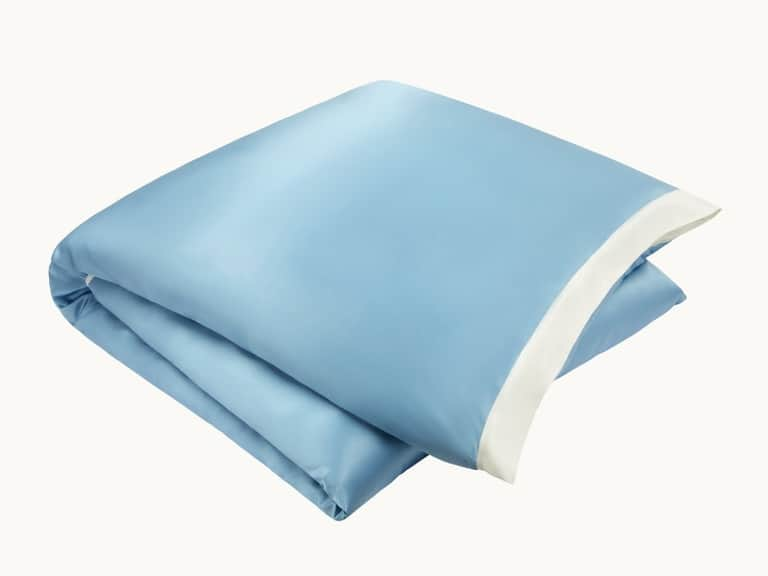
Summerhill Blue Silk Duvet Cover
Pure mulberry silk duvet cover, 19 momme, with a contrasting border. Hypoallergenic and skin-friendly, it delivers a smooth, breathable sleep surface. Silk’s protein-rich composition helps maintain skin and hair softness, and the fabric's natural properties support a gentle, comfortable night’s rest.
Care: Machine wash delicate cycle at no more than 30°C with mild liquid detergent; air dry; cool iron if needed.
SKU: Gingerlily Summerhill Blue Silk Duvet Cover, 19 momme. A striking contrast border adds timeless elegance while delivering skin-friendly, breathable luxury.
Conclusion: curating comfort with credibility
Choosing organic bedding is a confluence of comfort, ethics, and longevity. By prioritizing Supima cotton, organic percale, linen, and even silk where appropriate, you can tailor a sleep environment that supports restful nights and aligns with sustainable values. Certification marks like GOTS and OEKO-TEX, alongside transparent supply chains and thoughtful care instructions, offer guardrails against greenwashing and help you invest in bedding that endures.
As you navigate options, remember that bedding is not only about a single night's comfort but about a long-term relationship with textiles that respect both people and the planet. The stories of textile pioneers, modern scientists, and sustainability advocates remind us that every choice—down to the sheet color or weave—echoes in history and in health. This is why SilkSheets.org aims to be a trusted, readable resource: a silk-smooth journey through the science, history, and everyday joy of high-quality organic bedding.
Drift into silky, breathable nights with this 19 momme pure mulberry silk duvet cover—hypoallergenic, skin-friendly, and gentle on hair. Easy care, cool iron, timeless contrast border for everyday luxury.
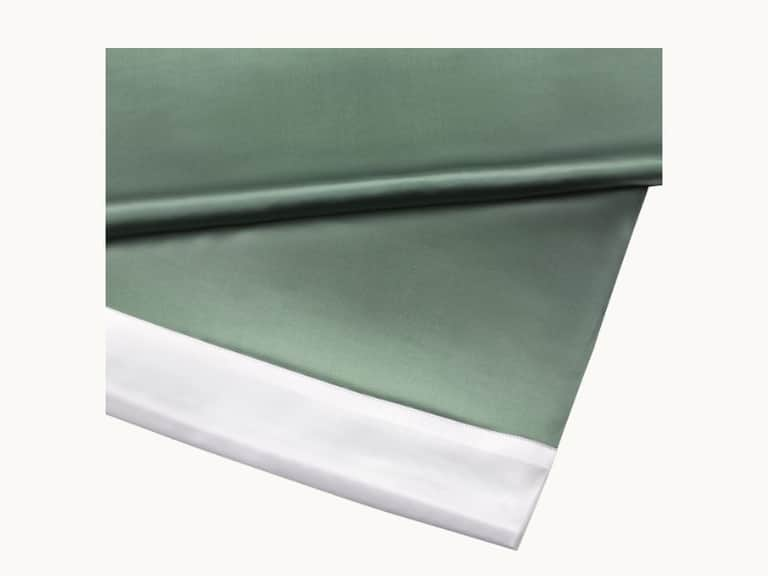
Sleep cooler and feel luxurious with this lightweight mulberry silk flat sheet, deep green with a white border. Soft, breathable, easy to care for, and perfect for layering to elevate your bed styling.
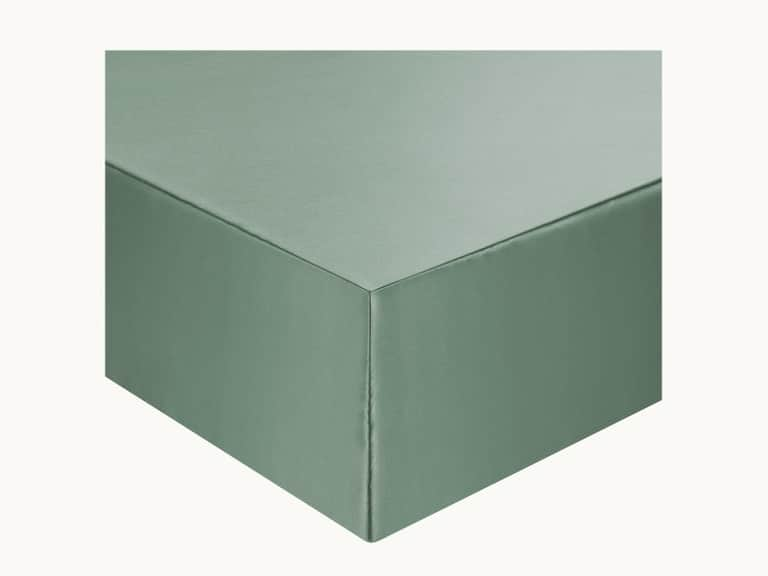
Indulge in cooler, softer sleep with our 100% mulberry silk sheet. It breathes, regulates temp, and reduces irritation for skin and hair, while a secure 15" pocket keeps it in place—perfect for a luxurious, allergy-friendly night.